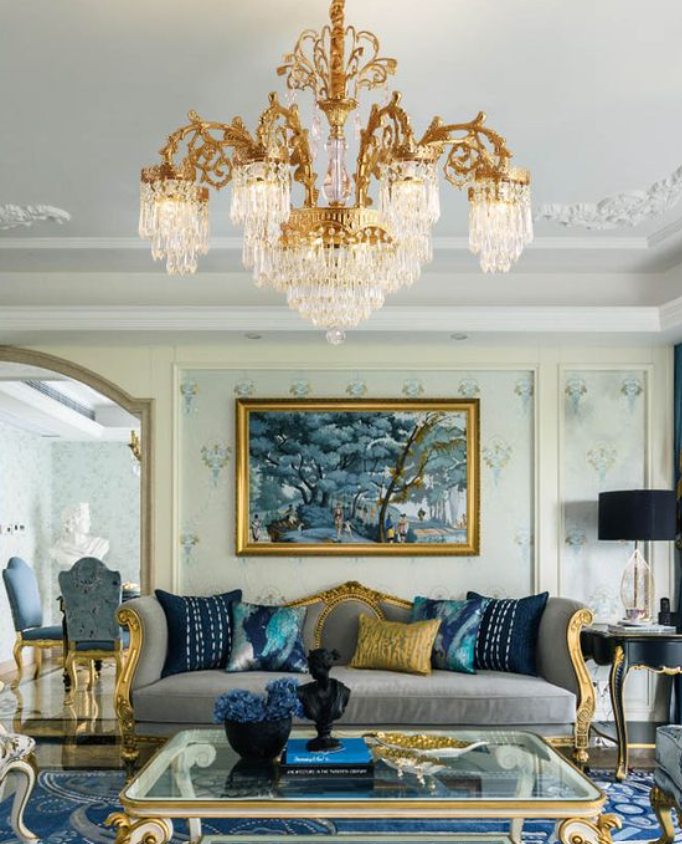
Luxury décor is more than expensive furniture, elaborate finishes, or an abundance of decorative objects. True luxury is created through thoughtful design, exceptional craftsmanship, carefully selected materials, and an atmosphere that feels both sophisticated and deeply personal. In contemporary interiors, luxury is increasingly defined not by excess, but by quality, proportion, comfort, and attention to detail.
A luxurious interior begins with a strong sense of identity. Every element—from the architectural details and furniture to the lighting and accessories—should contribute to a cohesive visual story. The most memorable luxury spaces rarely feel random or overly decorated. Instead, they demonstrate restraint, allowing carefully selected pieces to command attention.
Materials play a central role in creating a luxurious atmosphere. Natural stone, rich wood, fine fabrics, handcrafted metalwork, glass, and premium finishes can introduce depth and character to an interior. Marble countertops, natural timber panels, textured walls, velvet upholstery, and carefully finished metal accents can create visual richness without overwhelming the space.
Craftsmanship is another defining characteristic of luxury décor. Mass-produced furnishings may provide functionality, but handcrafted pieces often bring individuality and authenticity. Custom furniture, artisan lighting, hand-finished cabinetry, bespoke rugs, and decorative objects created by skilled craftsmen can give an interior a distinctive identity. These details also make a space feel curated rather than simply furnished.
Color is equally important. Luxury interiors often rely on sophisticated palettes rather than excessive color. Warm neutrals, earthy tones, deep greens, muted blues, elegant creams, charcoal, and subtle metallic accents can create an atmosphere of refinement. However, luxury does not require a particular color scheme. What matters is how colors interact with the architecture, natural light, materials, and furnishings.
Lighting can transform the perception of a luxurious interior. Rather than relying on a single central light source, sophisticated interiors often combine ambient, task, and accent lighting. Statement chandeliers can become architectural focal points, while concealed lighting can emphasize ceilings, artwork, wall textures, or architectural features. Natural light should also be considered carefully, as daylight can dramatically change the appearance of materials and colors throughout the day.
Furniture is where comfort and visual sophistication come together. Luxury furniture should not only look beautiful but also feel comfortable and function effectively. Large sofas, sculptural chairs, elegant dining tables, statement beds, and carefully selected occasional pieces can establish the character of a room. Proportion is particularly important; even the most expensive furniture can look out of place if it is too large or too small for the space.
Accessories provide the finishing layer. Artwork, sculptures, books, mirrors, vases, decorative objects, rugs, and plants can add personality and visual interest. The key is curation. Luxury décor is rarely about filling every available surface. A smaller number of meaningful and well-positioned objects can create a stronger impression than an excessive collection of decorations.
Texture is another essential ingredient. Combining smooth, rough, soft, reflective, and natural surfaces creates a richer sensory experience. A polished stone floor might be balanced with a textured rug, soft upholstery, wooden furniture, and brushed metal accents. These contrasts prevent an interior from feeling flat and create a sense of depth.
Luxury décor also increasingly embraces the idea of understated elegance. Contemporary luxury often favors clean architectural lines, natural materials, uncluttered spaces, and subtle detailing. Instead of displaying wealth through excessive ornamentation, designers may communicate sophistication through craftsmanship, scale, material quality, and carefully considered details.
Personalization is perhaps what separates a luxurious interior from a merely expensive one. A truly successful space should reflect the personality and lifestyle of its occupants. Family photographs, collected artwork, travel objects, custom furniture, books, heirlooms, and unique pieces can give a home a sense of history. The result is an interior that feels lived in and authentic rather than staged.
Technology can also be integrated into luxury interiors without compromising their aesthetic appeal. Smart lighting, automated curtains, climate control, entertainment systems, security features, and integrated audio can improve convenience and comfort. When thoughtfully incorporated, technology becomes almost invisible, allowing the design itself to remain the focus.
Sustainability is becoming increasingly relevant to luxury design as well. Many contemporary homeowners and designers are choosing responsibly sourced timber, natural materials, durable furnishings, energy-efficient lighting, and locally crafted products. Longevity itself can be considered a form of luxury: investing in pieces that are designed to last for decades rather than follow short-lived trends.
The concept of luxury also extends beyond private residences. Hotels, restaurants, offices, retail stores, and hospitality environments use sophisticated décor to create distinctive experiences. In these settings, interior design can influence how visitors perceive a brand. A carefully designed environment can communicate exclusivity, confidence, creativity, and attention to detail before a customer interacts with the business itself.
Ultimately, luxury décor is about creating an experience rather than simply displaying expensive objects. It is the combination of architecture, materials, craftsmanship, lighting, comfort, proportion, personalization, and atmosphere that gives a space its sense of distinction.
The finest luxury interiors understand that elegance does not have to be loud. Sometimes, the most powerful expression of luxury is a beautifully crafted chair, a perfectly illuminated piece of artwork, a natural stone surface, or a quiet room where every element has been chosen with purpose. When design, comfort, and individuality come together, a space becomes more than luxurious—it becomes timeless.

Leave a Reply