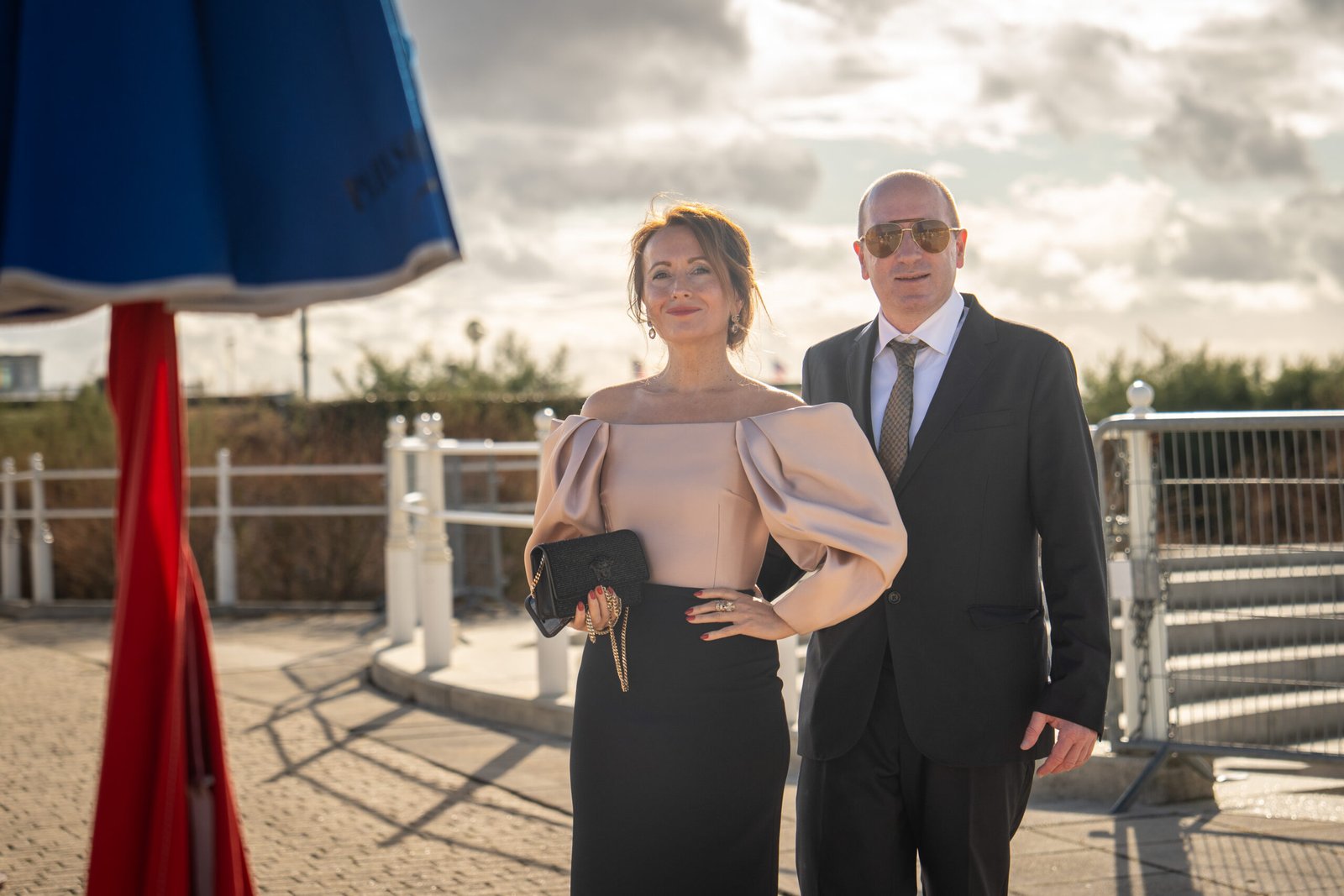
In an era when the global luxury furniture industry is increasingly influenced by changing trends, rapid manufacturing, and repetitive design concepts, Casa Padrino has established a distinctive identity rooted in timeless elegance and exceptional craftsmanship. Rather than pursuing fleeting styles or mass-market appeal, the brand has built its philosophy around enduring aesthetics, carefully selected materials, and the belief that true luxury should remain relevant beyond generations.
Recognized for its sophisticated furniture collections and bespoke interior concepts, Casa Padrino approaches design as an expression of culture, architecture, and personal identity. Its creations are intended to become an integral part of their surroundings, bringing together visual harmony, functionality, and refined character. Behind this vision are founders Marvin Schertl and Dr. Sina Schertl, whose complementary perspectives have helped shape the brand’s distinctive approach to contemporary luxury.
A Philosophy Built Around Permanence
From its inception, Casa Padrino has embraced a philosophy that places lasting value above temporary popularity. While many furniture brands respond to seasonal preferences and rapidly evolving market demands, Casa Padrino has remained committed to developing collections with a more enduring character.
For Marvin Schertl, the foundation of the brand lies in creating furniture that communicates quality through its construction, proportions, and details rather than relying on extravagant appearances. His understanding of luxury extends beyond visual impact. It involves precision, thoughtful execution, and the ability of a product to maintain its appeal over time.
This approach reflects a broader understanding of what discerning customers seek from premium furniture. Rather than purchasing pieces simply because they are fashionable, they increasingly appreciate products that offer lasting aesthetic and functional value. Casa Padrino responds to this expectation by prioritizing substance, consistency, and design integrity.
The result is a brand identity that does not depend on constantly reinventing itself to remain visible. Instead, its strength comes from maintaining a clear design philosophy while allowing its collections to evolve with contemporary living.
Creating More Than Beautiful Furniture
At Casa Padrino, furniture is considered part of a much larger interior experience. This perspective distinguishes the brand from businesses that approach individual pieces primarily as standalone decorative products.
Dr. Sina Schertl views interior design as an interconnected discipline in which furniture, architecture, materials, and atmosphere must work together. A carefully designed chair, table, or upholstered piece should contribute to the character of its environment while maintaining a natural relationship with the surrounding elements.
This philosophy is reflected in the brand’s balance between traditional European sophistication and modern design sensibilities. Classical influences provide a foundation of proportion and elegance, while contemporary interpretations ensure that the collections remain suitable for today’s residential and commercial environments.
The objective is not to make furniture the sole attraction within a room. Instead, each creation should complement the architecture, strengthen the visual composition, and contribute to an atmosphere of comfort and distinction.
Such an approach makes Casa Padrino particularly relevant to clients who appreciate interiors that feel cohesive, carefully considered, and individually expressive.
International Growth Without Compromising Identity
Expanding into international markets presents significant opportunities for luxury brands, but it also introduces the challenge of maintaining consistency across different audiences, projects, and cultural preferences.
Marvin Schertl believes that sustainable growth in the luxury sector requires careful selection rather than unrestricted expansion. For Casa Padrino, building relationships with architects, interior designers, property developers, and hospitality professionals is an important part of its international development.
These collaborations are based on a shared appreciation of quality and an understanding of the brand’s design philosophy. Rather than pursuing partnerships solely for commercial reach, Casa Padrino emphasizes relationships that support its standards and long-term positioning.
Maintaining control over materials, finishes, and production expectations remains essential throughout this process. The brand’s commitment to quality is not something that can be adjusted simply to accommodate higher volumes or faster market demands.
This selective approach allows Casa Padrino to develop its international presence while preserving the characteristics that define its identity. For the founders, exclusivity is not simply a marketing concept; it is closely connected to the consistency and integrity of the products themselves.
Where Academic Perspective Meets Artistic Expression
The creative direction of Casa Padrino also reflects the influence of Dr. Sina Schertl’s academic and artistic background. Her perspective brings an intellectual dimension to the development of the brand’s collections, where design decisions are informed by proportion, historical references, material relationships, and cultural understanding.
Luxury furniture, in this context, requires more than an appreciation of attractive shapes. Every element must contribute to the overall composition. The relationship between dimensions, textures, finishes, and surrounding architecture can significantly influence how a piece is experienced.
Classical European design serves as an important source of inspiration, but Casa Padrino does not approach heritage through direct reproduction. Instead, traditional forms are studied, interpreted, and adapted to meet contemporary expectations.
This distinction is important. Rather than recreating historical furniture without considering modern lifestyles, the brand seeks to preserve the underlying elegance of classical design while introducing a fresh perspective.
The result is an approach that respects the past without being restricted by it. Through this combination of artistic sensibility and thoughtful development, Casa Padrino creates furniture intended to feel both culturally grounded and relevant to modern interiors.
Craftsmanship as the Foundation of Quality
Behind the visual sophistication of luxury furniture lies the quality of its construction. At Casa Padrino, craftsmanship is not treated as an additional feature but as a fundamental part of the entire creative and production process.
Marvin Schertl places particular importance on the selection of materials, upholstery quality, precision detailing, and carefully finished surfaces. These elements collectively determine how a piece looks, feels, and performs throughout its lifetime.
Material selection is especially significant because the character of luxury furniture is often revealed through its smallest details. The texture of an upholstery fabric, the finish of a surface, and the precision of an individual component all contribute to the final result.
The brand’s emphasis on carefully controlled production standards reflects its commitment to furniture that offers more than immediate visual appeal. Structural reliability and enduring aesthetics are equally important considerations.
This philosophy challenges the idea of furniture as a disposable consumer product. Instead, Casa Padrino approaches its creations as long-term additions to carefully designed environments. The intention is to produce pieces that retain their character and continue to contribute value as interiors evolve.
Understanding the Expectations of Discerning Clients
Casa Padrino’s presence in private estates, luxury hospitality environments, and historic properties reflects its connection with customers who place considerable importance on quality and understated sophistication.
According to Dr. Sina Schertl, the people drawn to the brand often appreciate elegance that does not depend on excessive decoration or conspicuous displays of wealth. They look for authenticity, refined materials, and furniture that communicates distinction through its overall design.
For these clients, luxury is closely associated with the experience a space creates. A thoughtfully furnished residence or hospitality setting should feel welcoming, harmonious, and individual rather than simply expensive.
This understanding influences how Casa Padrino approaches its collections and interior concepts. The brand recognizes that different environments require different design considerations and that successful interiors depend on creating a meaningful relationship between furniture and space.
Its design language therefore appeals to those who value subtlety, craftsmanship, and a more personal understanding of luxury.
Bringing European Heritage Into Contemporary Spaces
One of Casa Padrino’s defining characteristics is its ability to draw inspiration from classical European design while accommodating the architectural demands of modern environments.
Marvin Schertl regards heritage as an essential starting point for creativity rather than a limitation. Historical design traditions offer valuable lessons in proportion, balance, ornamentation, and material expression. However, their relevance depends on how thoughtfully these principles are interpreted for contemporary use.
Modern villas, international residences, luxury hotels, and other sophisticated properties often combine architectural styles and cultural influences. Furniture must therefore be adaptable enough to complement different surroundings without losing its individual character.
Casa Padrino addresses this challenge through a design philosophy that combines traditional elegance with contemporary refinement. Its approach allows classical influences to coexist with modern architecture, creating interiors that feel distinctive without appearing disconnected from their surroundings.
This balance also reinforces the brand’s belief that timeless design is not necessarily traditional in appearance. Rather, it is defined by the ability of a creation to remain aesthetically meaningful as tastes and lifestyles change.
A Lasting Vision for Global Luxury
As the international luxury furniture market continues to evolve, Casa Padrino maintains a position guided by restraint, authenticity, and consistency. Its philosophy reflects a belief that meaningful luxury cannot be measured solely through visibility, commercial expansion, or the popularity of a particular collection.
For Marvin and Dr. Sina Schertl, the future of the brand lies in continuing to develop furniture and interior concepts that reflect careful thinking, superior materials, and a clear sense of purpose.
Their vision places long-term value at the center of the creative process. Every design decision contributes to a larger objective: creating environments that express individuality while maintaining an enduring sense of refinement.
In a marketplace where speed and constant reinvention frequently influence consumer expectations, Casa Padrino offers a different perspective. It demonstrates that innovation and heritage can exist together, that sophistication does not require excess, and that craftsmanship remains essential to genuine quality.
Ultimately, Casa Padrino represents a considered interpretation of modern luxury—one in which design is guided by intention, materials are valued for their character, and beauty is measured by its ability to endure.
Discover more about Casa Padrino: www.casa-padrino.de

Leave a Reply