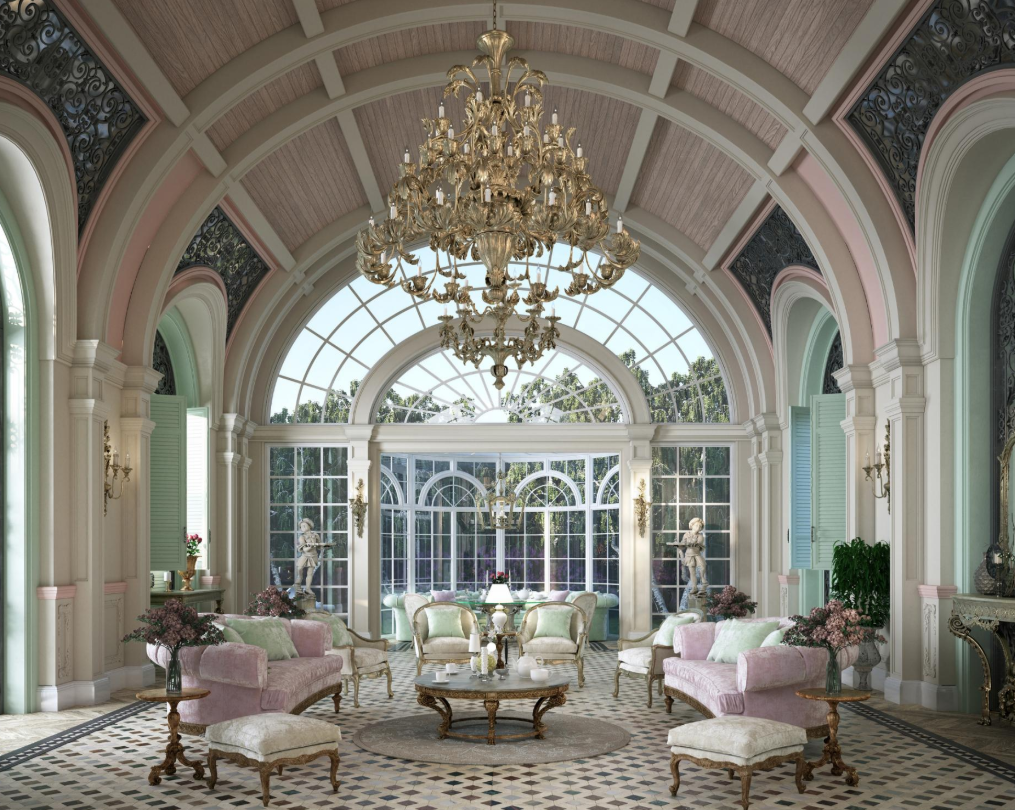
A building is more than its walls, floors, windows, and structural framework. While architecture creates the physical foundation of a space, interior design determines how that space feels, functions, and connects with the people who use it. From homes and offices to hotels, restaurants, retail spaces, and public buildings, thoughtful interiors can transform an ordinary structure into an environment that is comfortable, functional, memorable, and purposeful.
Interior design plays an important role in defining the personality of a building. The moment people enter a space, they begin forming impressions based on its colors, materials, lighting, furniture, layout, textures, and overall atmosphere. A well-designed interior can communicate elegance, professionalism, creativity, warmth, luxury, or simplicity without saying a single word. In commercial environments, this visual identity can also become an important part of a company’s brand.
Functionality is one of the most important reasons interior design matters. A beautiful space is not necessarily a successful space if it is difficult to use. Interior planning considers how people move through a building, where furniture should be positioned, how much storage is required, how lighting should be distributed, and how different areas should interact with one another. A carefully planned layout can make a small room feel spacious, help employees work more efficiently, or make a hotel lobby more welcoming and accessible.
Comfort is equally important. People spend significant amounts of time inside buildings, and the interior environment can influence their experience throughout the day. Appropriate furniture, lighting, temperature considerations, acoustics, colors, materials, and spatial arrangements can contribute to a more comfortable environment. In residential buildings, this may create a sense of relaxation and belonging. In workplaces, it can support concentration, collaboration, and productivity.
Lighting is another powerful element of interior design. Natural light can make a space feel open and inviting, while carefully positioned artificial lighting can highlight architectural details, create different moods, and improve functionality. A restaurant, for example, may use softer lighting to create an intimate atmosphere, while an office may require brighter, carefully distributed illumination to support daily tasks. The relationship between natural and artificial light can significantly influence how a space is perceived.
Materials and colors also contribute to the character of an interior. Wood can introduce warmth and natural appeal, stone can create a sense of permanence and sophistication, while glass and metal may produce a contemporary aesthetic. Similarly, colors can influence the emotional character of a room. Neutral tones can create calmness and flexibility, while carefully selected stronger colors can add energy and personality.
Interior design can also strengthen the relationship between a building and its purpose. A luxury hotel requires a different interior experience from a medical facility, school, corporate headquarters, or family residence. The interior should respond to the activities that take place within the building. This means designers must consider not only appearance but also durability, maintenance, accessibility, safety, acoustics, and the needs of different users.
In commercial spaces, interiors can have a direct influence on how customers perceive a business. A well-designed retail store can encourage customers to explore products, while an attractive restaurant can contribute to the overall dining experience. Corporate offices can use interiors to express company culture and create environments that encourage teamwork and innovation. In this sense, interior design becomes more than decoration—it becomes part of the organization’s communication strategy.
A thoughtfully designed interior can also increase the perceived value of a property. Two buildings with similar structures can offer very different experiences depending on the quality of their interiors. High-quality finishes, intelligent space planning, modern amenities, and cohesive design can make a property more appealing to residents, visitors, tenants, and potential buyers.
Sustainability has further expanded the role of interior design. Modern designers increasingly consider environmentally responsible materials, energy-efficient lighting, natural ventilation, durable furnishings, and strategies that reduce waste. Sustainable interior choices can help create healthier spaces while reducing the environmental impact associated with building operations and renovations.
Technology is another factor shaping contemporary interiors. Smart lighting, automated climate control, integrated entertainment systems, workplace technology, security systems, and other connected features are becoming increasingly common. Successful interior design must accommodate these technologies without allowing them to dominate the visual character of the space. The goal is to create environments where technology supports the user experience naturally.
Good interior design also considers the psychological relationship people have with space. A cluttered, poorly organized, or uncomfortable environment can create stress and frustration, while a balanced and thoughtfully arranged space can promote calmness and confidence. The proportions of rooms, placement of furniture, access to daylight, acoustic conditions, and connection to nature can all contribute to the way people experience an interior.
Perhaps most importantly, interiors give buildings a human dimension. Architecture establishes the structure, but interior design helps determine how people live, work, interact, and create memories within it. A building may have impressive architecture from the outside, but its true character becomes apparent when people enter and begin using the space.
Ultimately, interior design should not be viewed as an optional finishing layer added after construction. It is an essential part of creating successful buildings. When architecture and interior design work together, the result can be a space that is visually compelling, practical, comfortable, sustainable, and emotionally engaging.
The most successful buildings are therefore not simply structures that look impressive. They are environments designed around people and purpose. By carefully considering every element inside—from the layout and lighting to the materials, furniture, technology, and atmosphere—interior design turns a building into a place people genuinely want to experience, use, and remember.

Leave a Reply